
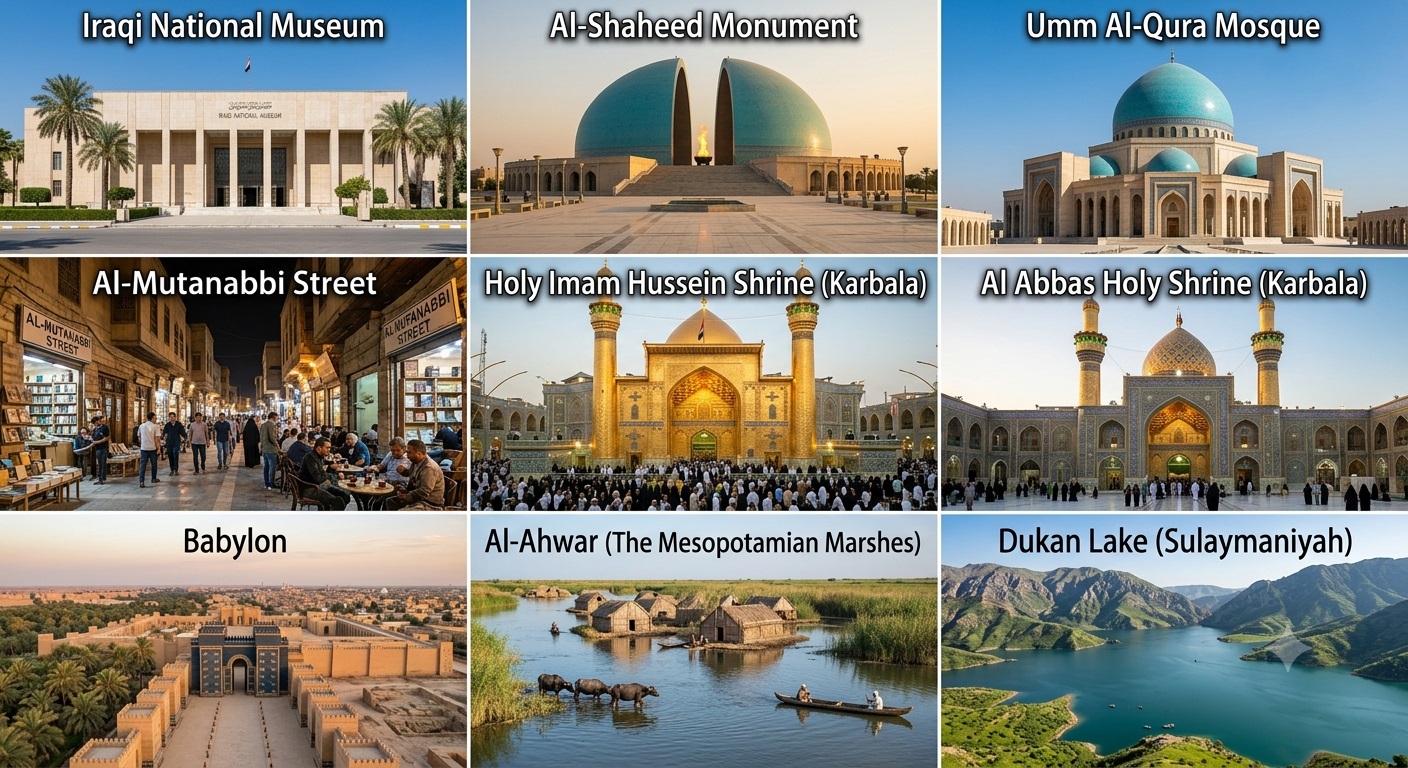
Iraq has a lot of human history. It has Ur, Babylon, Nineveh, and the House of Wisdom era in Baghdad. It also has the shrine cities of Najaf and Karbala.
For someone interested in culture, that’s the main appeal. This is Mesopotamia, the place where writing, cities, and law codes were first recorded. No other country has so many cultural highlights packed into one trip.
This guide will assist you in inquiring about the security situation during this period with government agencies in your country.
Best Things to visit
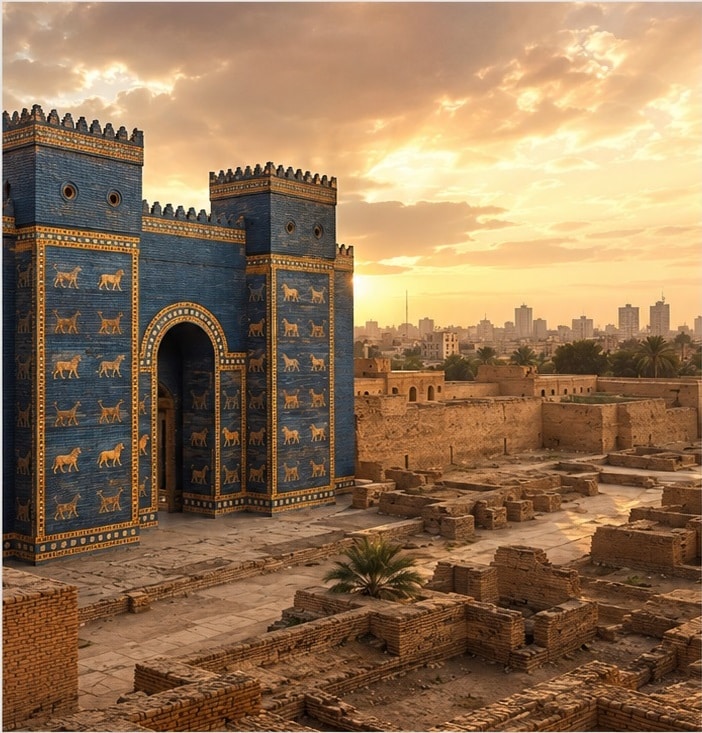
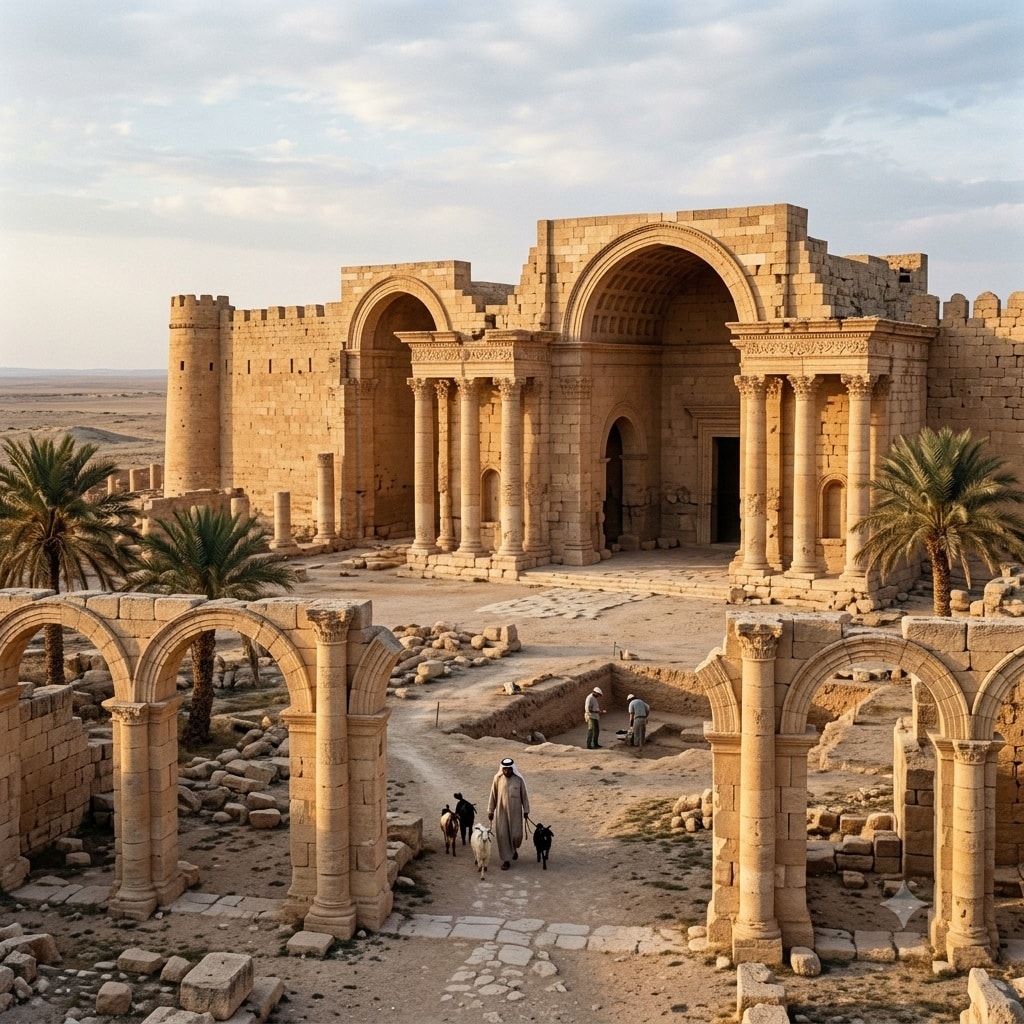
Babylon Ruins
Explore the ancient capital of the Neo-Babylonian Empire, one of the world’s most significant archaeological sites.
🌍 Location
South of Baghdad
🔆Highlight
Direct connection to biblical and classical history. Access may depend on current security conditions.
💡 Visitor Tip
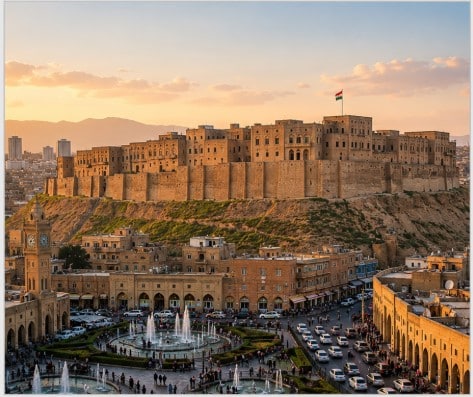
Erbil Citadel
Discover the historic fortified city center, continuously inhabited for thousands of years.
🌍 Location
Erbil, Kurdistan Region
☀️ Highlights
UNESCO World Heritage Site and one of the world’s oldest continuously inhabited settlements.
💡 Visitor Tip
.
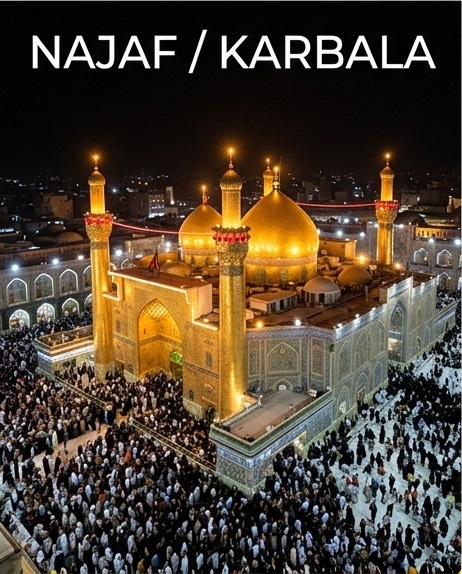
Karbala/Najaf shrines
Karbala and Najaf are major centers of Shia religious history, spirituality, and pilgrimage, attracting visitors seeking devotion, remembrance, and connection with Islamic heritage.
🌍 Location
Enormous scale of devotional architecture and ritual
☀️ Highlights
Respectful dress and behavior expected;
💡 Visitor Tip
extremely high local visitor volume during religious occasions
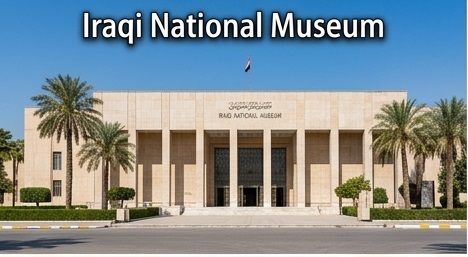
Iraq Museum
Explore Iraq’s premier archaeology museum, showcasing treasures from ancient Mesopotamian civilizations.
🌍 Location
Baghdad
☀️ Highlights
Houses one of the world’s most important collections of Mesopotamian artifacts.
💡 Visitor Tip
Opening hours and access may vary depending on security conditions.
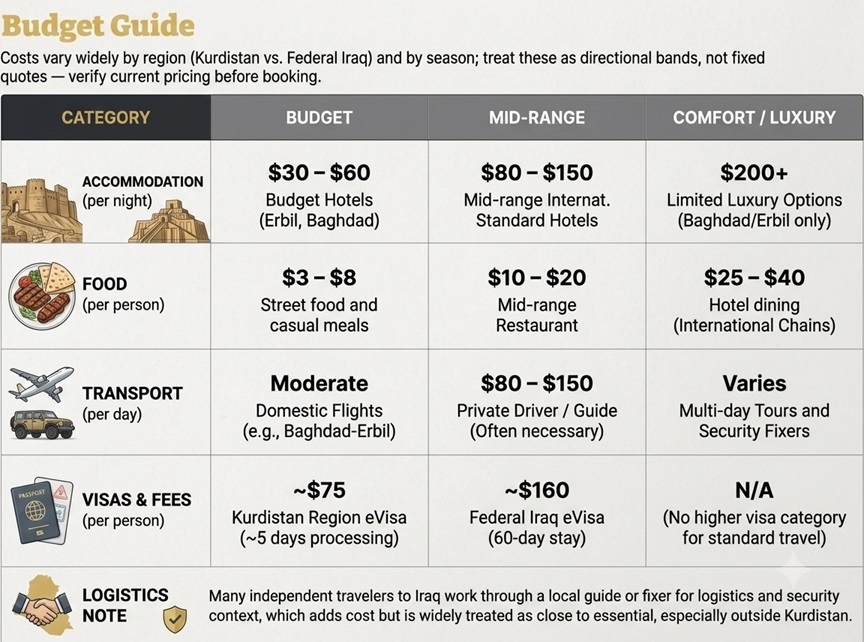
Estimated Guide
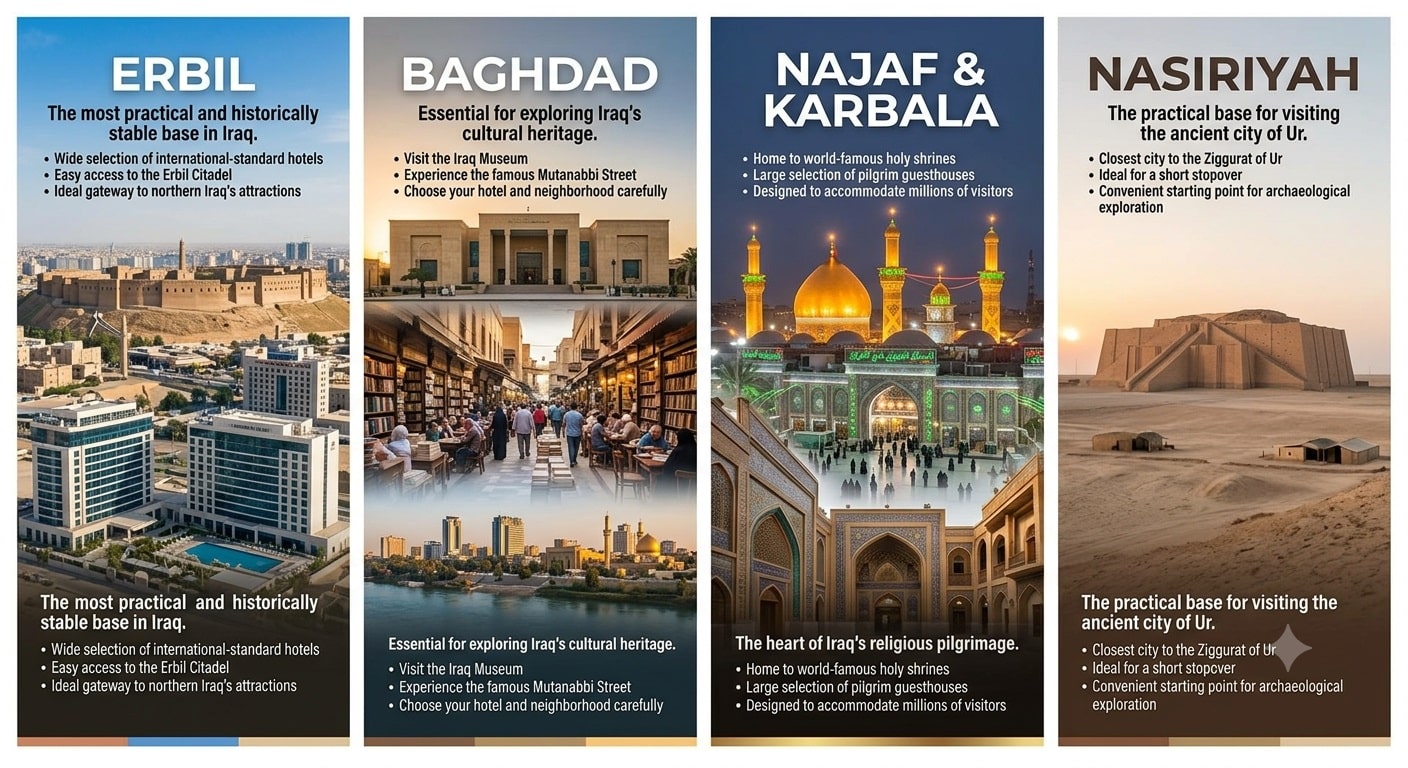
where you stay ?
Best Time To Visit
Nov–Mar
Best for outdoor time with kids; higher hotel prices, Christmas/New Year premium
Jun–Sep
(45°C+/113°F+ in central/southern Iraq)
Largely avoided by travelers; outdoor site visits become punishing
Oct
Cooling down Second shoulder window
Hidden Gems
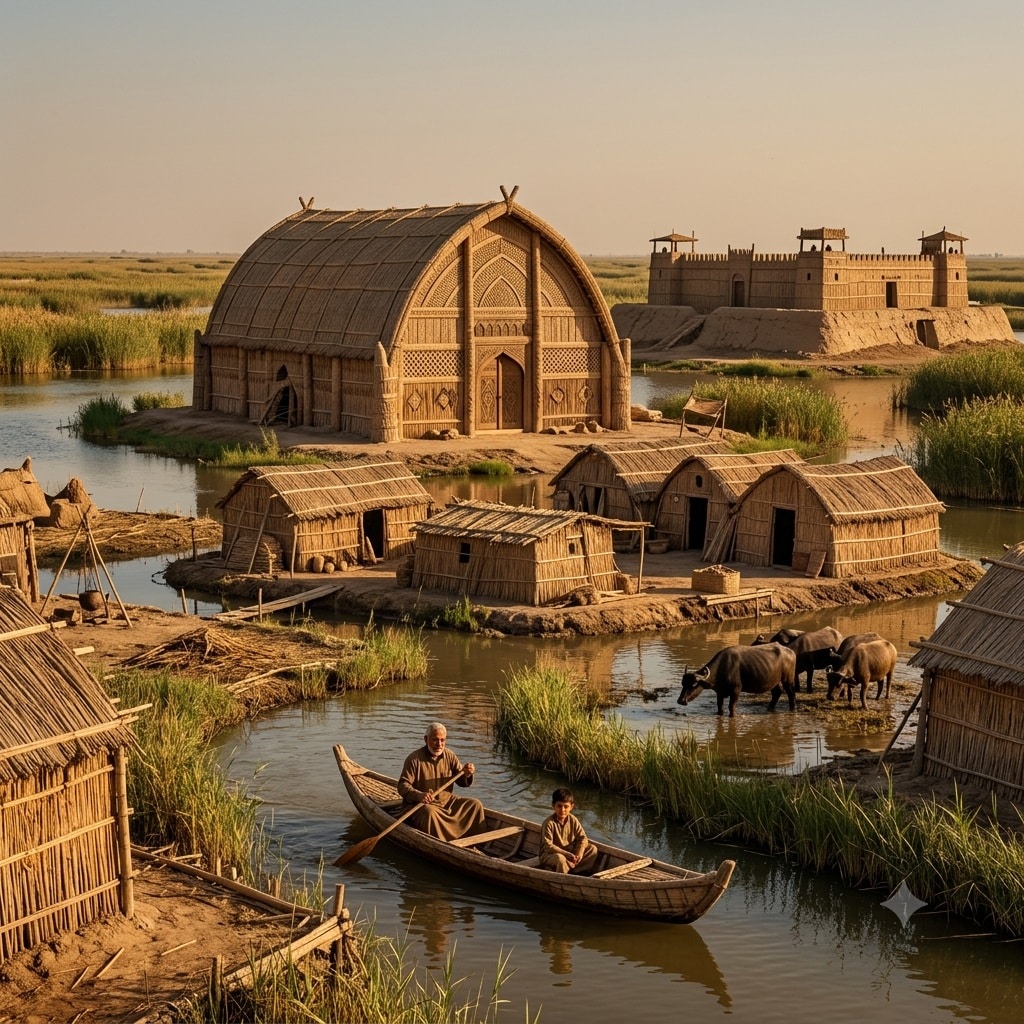
Why visit IRAQ ?
Iconic Experiences
Babylon — the mudbrick ruins of Nebuchadnezzar’s capital, including the reconstructed Ishtar Gate approach and the Lion of Babylon statue.
• Ur and the Great Ziggurat — near Nasiriyah, one of the best-preserved Sumerian ziggurats, reputedly Abraham’s birthplace in religious tradition.
• Erbil Citadel — one of the longest continuously inhabited settlements on Earth, in the heart of the more stable Kurdistan Region.
Authentic Local Experiences
Baghdad’s Mutanabbi Street book market, a Friday ritual of poetry, secondhand books, and street-side tea that survived decades of conflict.
• The shrine cities of Najaf and Karbala, where the scale of religious pilgrimage infrastructure (and the hospitality shown to visitors) is unlike anything comparable in the region.
• Erbil’s covered bazaar and the qaysari (traditional market) trade in spices, gold, and textiles largely unchanged in rhythm for generations.
Cultural and Historical Depth
Iraq is effectively an open-air museum of the Sumerian, Akkadian, Babylonian, Assyrian, and Abbasid periods — a density of “firsts” (writing, law codes, urban planning) unmatched elsewhere.
Travel Tips
- Dress modestly, especially in religious cities and rural areas — this applies to all genders and is non-negotiable for site access at shrines.
- Photography restrictions exist around checkpoints, government buildings, and military installations — always ask before photographing people or sensitive infrastructure.
- Cash-based economy: US dollars are widely accepted alongside Iraqi dinars, but card acceptance is limited outside top-tier hotels.
- Connectivity: local SIM cards work reasonably well in cities; coverage and reliability vary by region and can be affected by security conditions.
- Register your travel with your embassy’s equivalent of the STEP program if a trip proceeds despite the advisory — this is standard guidance for Level 4 destinations, not Iraq-specific paranoia.
Tips for Families
This deserves direct language rather than generic reassurance: given the current Level 4 “Do Not Travel” advisories in place through 2026, cultural travel to Iraq with children is not something this guide can responsibly frame as a good idea right now. The kidnapping risk, unpredictable security incidents, and the State Department’s own note about limited ability to provide emergency assistance apply with extra weight when traveling with dependents who can’t self-evacuate or adapt quickly to a fast-changing situation.
Tips for Families
If you’re researching Iraq for a future family trip once conditions genuinely stabilize, the practical considerations to flag for later are:
• Kurdistan (Erbil) has historically been the more family-workable region, with more standard hotel infrastructure and shorter, more controllable day trips (the Citadel, nearby waterfalls, local markets).
• Long overland transfers to sites like Ur or Babylon are demanding with young children; domestic flights plus a local guide reduce that friction considerably.
• Shrine cities (Najaf/Karbala) during major pilgrimage periods involve extremely dense crowds that are difficult to manage with small children.
• None of this is actionable advice for right now — it’s a placeholder for when the advisory picture changes, not a workaround for the current one