
Egypt is one of the world’s most fascinating destinations for travellers interested in ancient civilisations, architecture and archaeology. From the famous Pyramids of Giza to the temples along the River Nile, Egypt offers a unique opportunity to explore thousands of years of human history in locations that are still standing today.
A trip to Egypt is well worth planning, combining incredible archaeological sites with unforgettable experiences such as Nile cruises, desert landscapes, bustling markets and vibrant cities. Whether you are a history lover, travelling with children or a first-time visitor looking for a memorable adventure, Egypt has attractions to suit all types of travellers. Good planning is important because many sites are large and located across different regions.
-
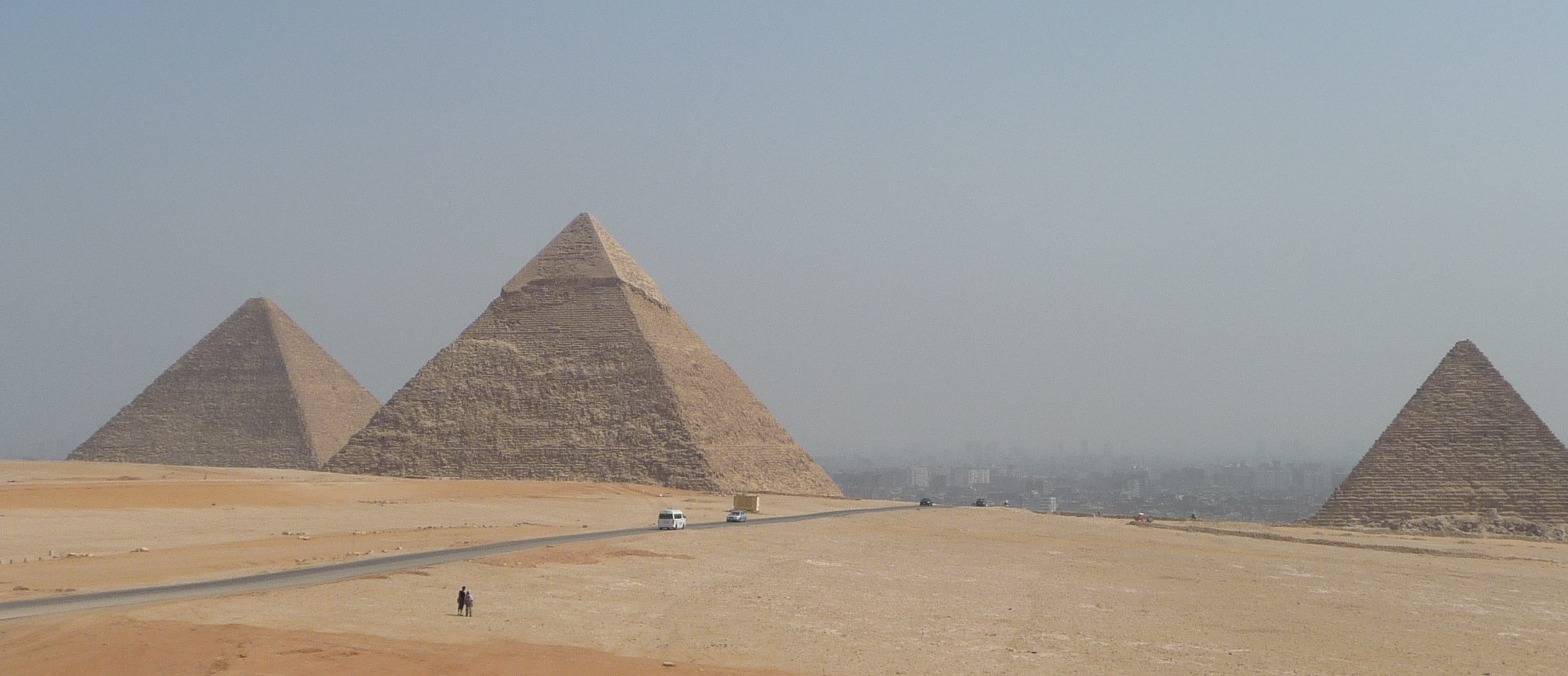
The Pyramids of Giza are Egypt’s most famous landmarks and one of the easiest archaeological sites to include in a Cairo itinerary. The area is large, open, and offers impressive views of the pyramids and the surrounding desert. It is a must-see for first-time visitors because it combines iconic scenery with an unforgettable travel experience.
-
The pyramids provide the classic Egypt experience and are perfect for photos, sightseeing, and learning about ancient architecture without needing a long trip outside Cairo.
-
What will you see? The Great Pyramid of Giza The smaller pyramids nearby The Sphinx Desert viewpoints
-
Morning is usually the best option to avoid stronger afternoon heat and larger crowds.
-
Around 2–4 hours.
-
Suitable for children or seniors?
Yes, but the area involves walking on uneven surfaces. Visitors with mobility concerns should plan carefully. Quick tip Arrive early, bring water, and wear comfortable shoes because the site involves walking on sand and open ground.
-
Quick tip
Arrive early, bring water, and wear comfortable shoes because the site involves walking on sand and open ground.
-
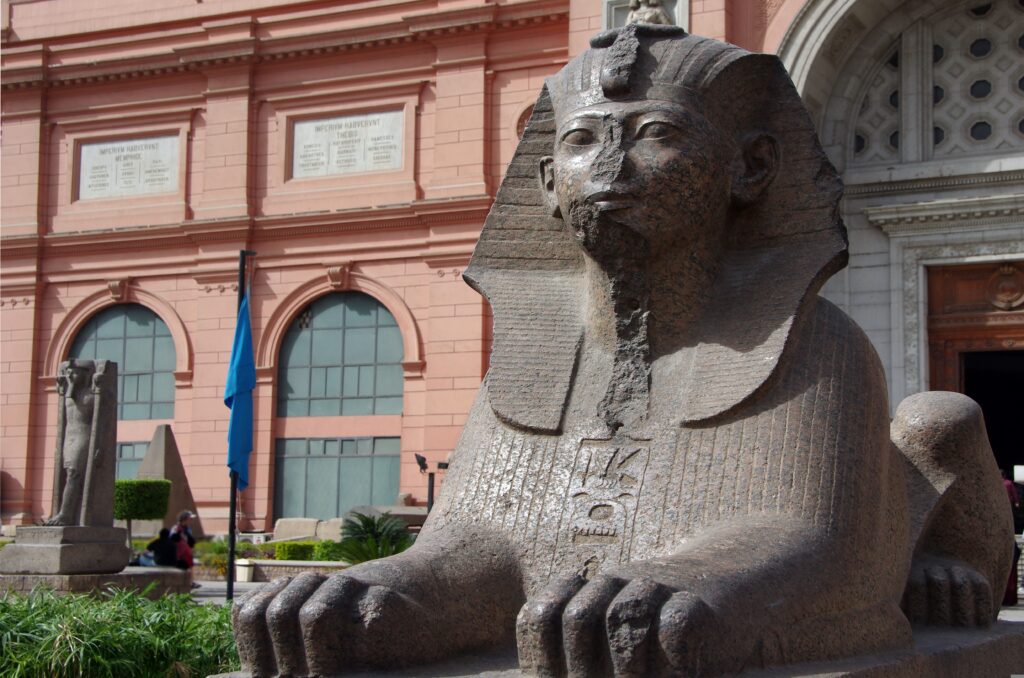
The Egyptian Museum is one of the best places to start understanding Egypt’s ancient treasures before visiting other archaeological locations. Located in central Cairo, it is easy to combine with city sightseeing and provides an indoor alternative during hot weather.
-
It helps visitors understand the objects, art, and daily life connected to many ancient sites across Egypt.
-
Ancient statues Royal artifacts Mummies and archaeological collections Historical objects from different periods
-
Morning or early afternoon. Time needed inside the site Around 2–3 hours.
-
Around 2–4 hours.
-
Suitable for children or seniors?
Yes. It is more comfortable than outdoor archaeological sites.
-
Quick tip
Arrive early, bring water, and wear comfortable shoes because the site involves walking on sand and open ground.
-
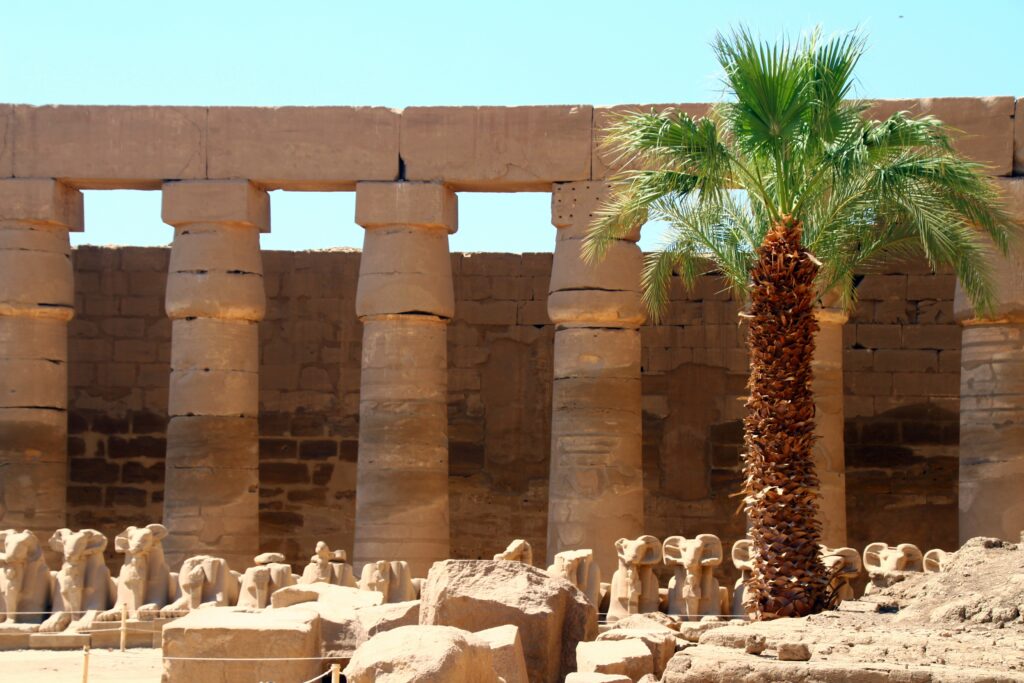
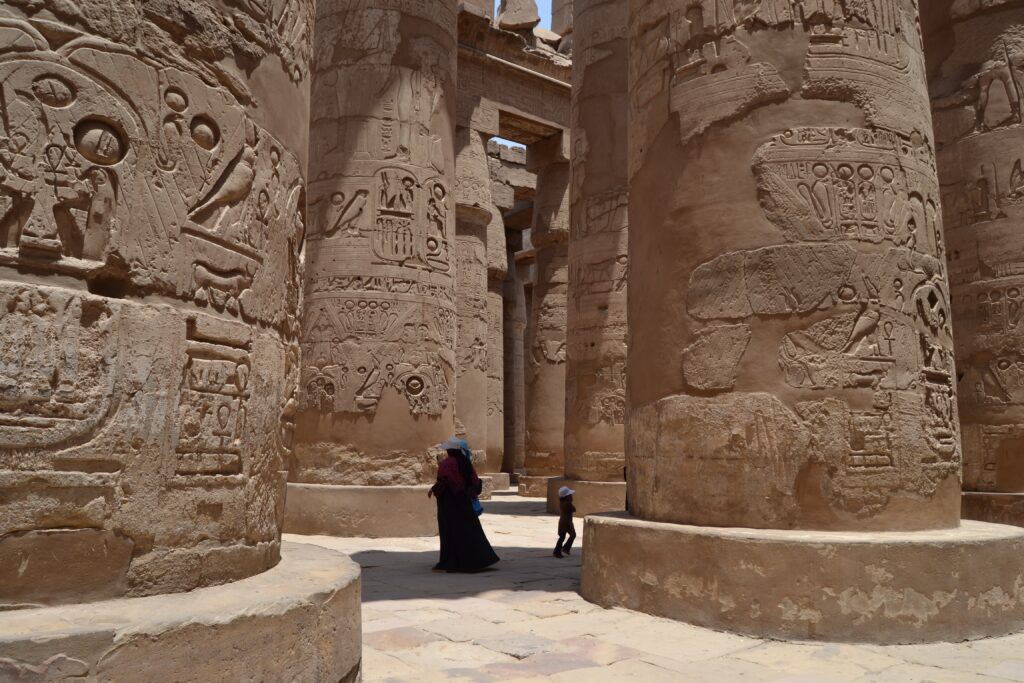
Karnak Temple is one of Egypt’s most impressive archaeological attractions and a highlight of any visit to Luxor. The site covers a large area with huge columns, open courtyards, and detailed structures. It is best visited slowly because there is a lot to explore.
-
The size and atmosphere of Karnak make it one of the most memorable ancient sites in Egypt.
-
The Great Hypostyle Hall ,Massive columns ,Temple pathways Large open courtyards
-
Morning or early afternoon. Time needed inside the site Around 2–3 hours.
-
Around 2–4 hours.
-
Suitable for children or seniors?
Yes, although the walking distance can be tiring.
-
Quick tip
Wear a hat and bring water because much of the visit is outdoors.
-
The Valley of the Kings is one of Luxor’s most popular attractions. It is a desert site where visitors can explore ancient tombs carved into rocky hills. The experience is different from temples because it focuses on underground spaces and detailed wall decorations.
-
It offers a unique look at ancient burial sites and is one of the top archaeological experiences in Egypt.
-
The Great Hypostyle Hall ,Massive columns ,Temple pathways Large open courtyards
-
Morning or early afternoon.
-
Around 2–4 hours.
-
Suitable for children or seniors?
Mostly yes, but some tombs require stairs and walking in hot conditions.
-
Quick tip
Wear a hat and bring water because much of the visit is outdoors.
-
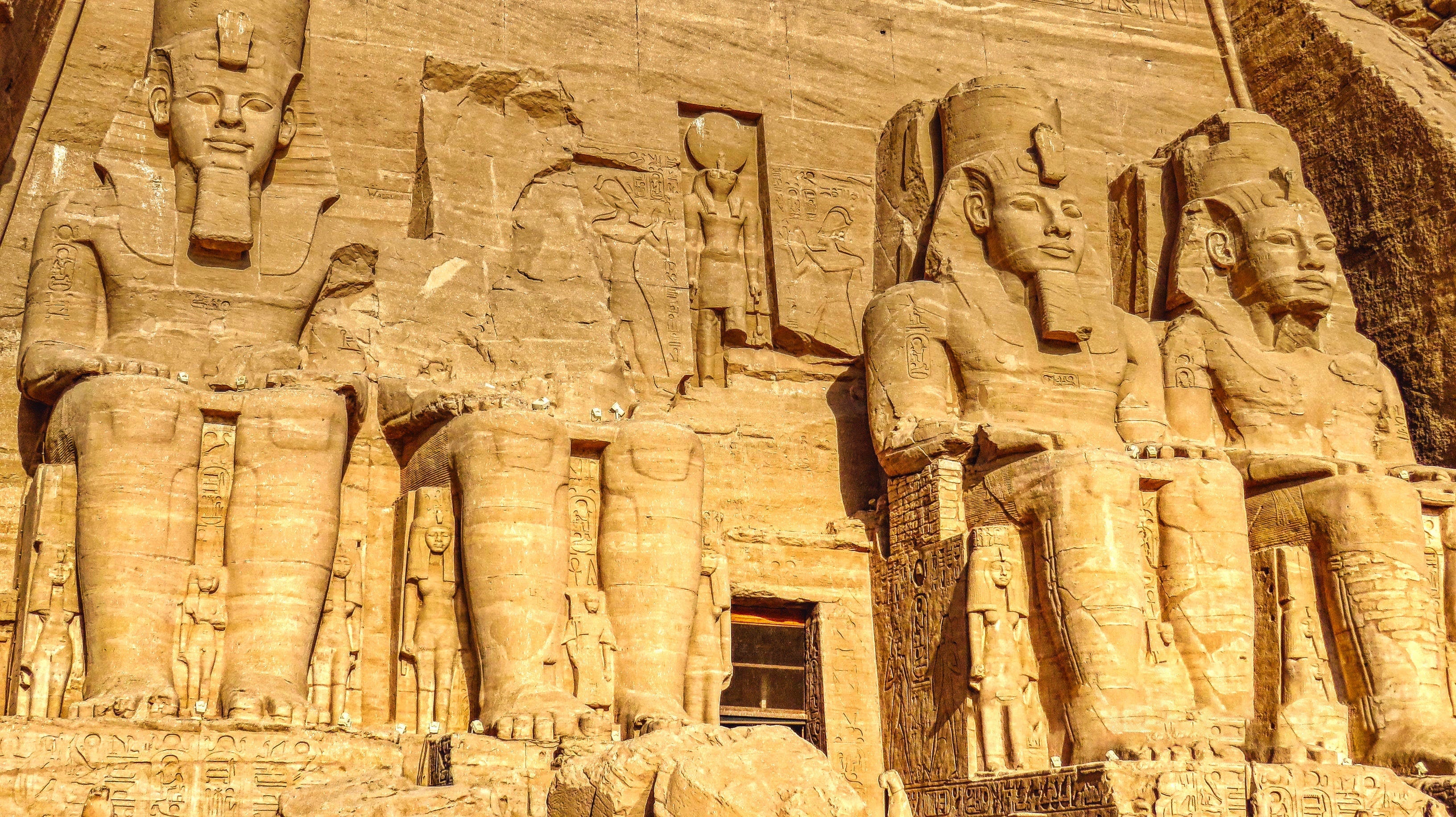
Abu Simbel is one of Egypt’s most impressive archaeological destinations, located in the far south near Lake Nasser. The temples are famous for their huge rock-cut statues and dramatic desert setting. Reaching the site requires extra planning because it is far from the main tourist cities.
-
It is one of the most spectacular sights in Egypt and worth adding for travelers who have enough time.
-
Giant statues at the entrance ,Interior chambers, Lake Nasser views
-
Morning or early afternoon. Time needed inside the site Around 2–3 hours.
-
Around 2–4 hours.
-
Suitable for children or seniors?
Yes, but the journey may be tiring.
-
Quick tip
Arrive early, bring water, and wear comfortable shoes because the site involves walking on sand and open ground.
-
Abu Simbel is one of Egypt’s most impressive archaeological destinations, located in the far south near Lake Nasser. The temples are famous for their huge rock-cut statues and dramatic desert setting. Reaching the site requires extra planning because it is far from the main tourist cities.
-
It is one of the most spectacular sights in Egypt and worth adding for travelers who have enough time.
-
Giant statues at the entrance ,Interior chambers, Lake Nasser views
-
Morning or early afternoon. Time needed inside the site Around 2–3 hours.
-
Around 2–4 hours.
-
Suitable for children or seniors?
Yes, but the journey may be tiring.
-
Quick tip
Arrive early, bring water, and wear comfortable shoes because the site involves walking on sand and open ground.
Egyptian Archaeological Sites Travel Guide: How to Plan Your Visit
Introduction
Egypt is one of the world’s most fascinating destinations for travelers interested in ancient civilizations, architecture, and archaeology. From the famous pyramids of Giza to the temples along the Nile River, the country offers a unique chance to explore thousands of years of human history in real locations that are still standing today.
A trip to Egypt is worth planning because it combines incredible archaeological sites with unforgettable experiences such as Nile cruises, desert landscapes, local markets, and vibrant cities. Whether you are a history lover, a family traveling with children, or a first-time visitor looking for a memorable adventure, Egypt offers attractions for every type of traveler. Good planning is important because many sites are large, outdoor-based, and located across different regions.
Best Archaeological Sites to Visit in Egypt
1. Pyramids of Giza and the Sphinx
Overview
The Pyramids of Giza are Egypt’s most famous landmarks and one of the easiest archaeological sites to include in a Cairo itinerary. The area is large, open, and offers impressive views of the pyramids and the surrounding desert. It is a must-see for first-time visitors because it combines iconic scenery with an unforgettable travel experience.
Why visit?
The pyramids provide the classic Egypt experience and are perfect for photos, sightseeing, and learning about ancient architecture without needing a long trip outside Cairo.
What will you see?
The Great Pyramid of Giza
The smaller pyramids nearby
The Sphinx
Desert viewpoints
Suggested visit time
Morning is usually the best option to avoid stronger afternoon heat and larger crowds.
Time needed inside the site
Around 2–4 hours.
Suitable for children or seniors?
Yes, but the area involves walking on uneven surfaces. Visitors with mobility concerns should plan carefully.
Quick tip
Arrive early, bring water, and wear comfortable shoes because the site involves walking on sand and open ground.
2. Egyptian Museum in Cairo
Overview
The Egyptian Museum is one of the best places to start understanding Egypt’s ancient treasures before visiting other archaeological locations. Located in central Cairo, it is easy to combine with city sightseeing and provides an indoor alternative during hot weather.
Why visit?
It helps visitors understand the objects, art, and daily life connected to many ancient sites across Egypt.
What will you see?
Ancient statues
Royal artifacts
Mummies and archaeological collections
Historical objects from different periods
Suggested visit time
Morning or early afternoon.
Time needed inside the site
Around 2–3 hours.
Suitable for children or seniors?
Yes. It is more comfortable than outdoor archaeological sites.
Quick tip
Consider hiring a licensed guide if you want explanations about the major exhibits.
3. Karnak Temple Complex, Luxor
Overview
Karnak Temple is one of Egypt’s most impressive archaeological attractions and a highlight of any visit to Luxor. The site covers a large area with huge columns, open courtyards, and detailed structures. It is best visited slowly because there is a lot to explore.
Why visit?
The size and atmosphere of Karnak make it one of the most memorable ancient sites in Egypt.
What will you see?
The Great Hypostyle Hall
Massive columns
Temple pathways
Large open courtyards
Suggested visit time
Early morning or late afternoon.
Time needed inside the site
Around 2–3 hours.
Suitable for children or seniors?
Yes, although the walking distance can be tiring.
Quick tip
Wear a hat and bring water because much of the visit is outdoors.
4. Valley of the Kings, Luxor
Overview
The Valley of the Kings is one of Luxor’s most popular attractions. It is a desert site where visitors can explore ancient tombs carved into rocky hills. The experience is different from temples because it focuses on underground spaces and detailed wall decorations.
Why visit?
It offers a unique look at ancient burial sites and is one of the top archaeological experiences in Egypt.
What will you see?
Tomb entrances
Painted interior walls
Desert mountain landscapes
Suggested visit time
Morning is recommended.
Time needed inside the site
Around 2–3 hours.
Suitable for children or seniors?
Mostly yes, but some tombs require stairs and walking in hot conditions.
Quick tip
Choose your footwear carefully and check which tombs are open before visiting.
5. Abu Simbel Temples
Overview
Abu Simbel is one of Egypt’s most impressive archaeological destinations, located in the far south near Lake Nasser. The temples are famous for their huge rock-cut statues and dramatic desert setting. Reaching the site requires extra planning because it is far from the main tourist cities.
Why visit?
It is one of the most spectacular sights in Egypt and worth adding for travelers who have enough time.
What will you see?
Giant statues at the entrance
Interior chambers
Lake Nasser views
Suggested visit time
Early morning.
Time needed inside the site
Around 1.5–2 hours.
Suitable for children or seniors?
Yes, but the journey may be tiring.
Quick tip
Plan transportation in advance because options are more limited than in major cities.
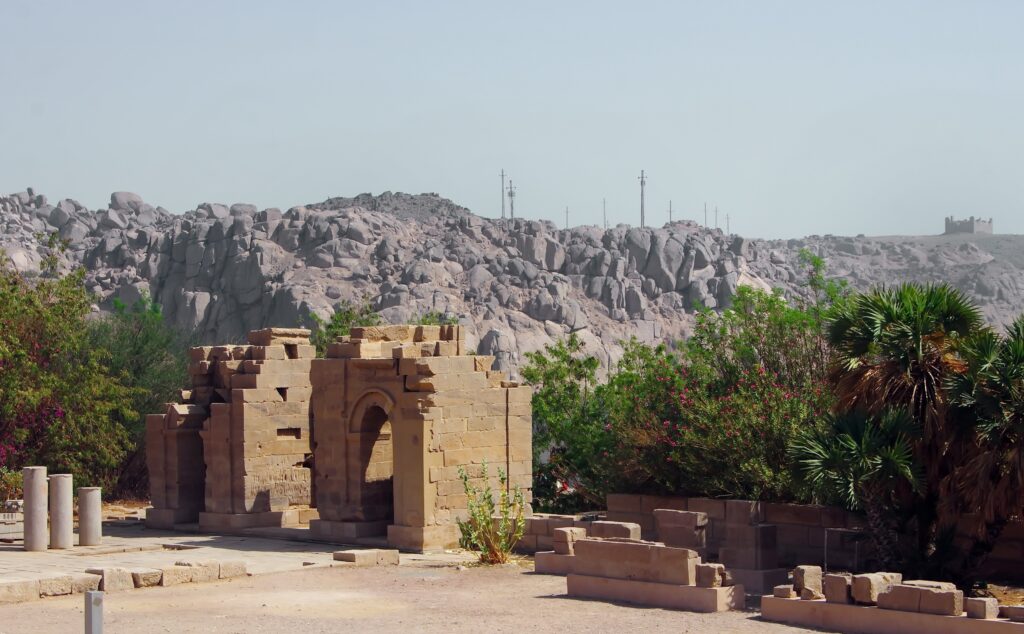
6. Philae Temple, Aswan
Overview
Philae Temple is located on an island near Aswan and is reached by boat, making the visit more scenic than many other archaeological sites. The combination of ancient structures, water views, and a peaceful atmosphere makes it a favorite stop for many travelers.
Why visit?
It offers a relaxed archaeological experience with beautiful surroundings.
What will you see?
Temple buildings
Island views
Nile scenery
Suggested visit time
Morning or before sunset.
Time needed inside the site
Around 1–2 hours.
Suitable for children or seniors?
Yes. The boat ride adds comfort and enjoyment.
Quick tip
Bring a camera because the location offers some of Egypt’s best archaeological views.
7. Saqqara Necropolis
Overview
Saqqara is located near Cairo and is a great choice for travelers who want to explore beyond the main pyramids. The area includes several ancient structures and a quieter atmosphere compared with Giza.
Why visit?
It allows visitors to see a wider range of archaeological landscapes without large crowds.
What will you see?
Step Pyramid area
Tombs
Desert scenery
Suggested visit time
Morning.
Time needed inside the site
Around 2–3 hours.
Suitable for children or seniors?
Generally yes, but expect outdoor walking.
Quick tip
Combine it with nearby archaeological areas for a full-day trip.
Best Itineraries for Visiting Egyptian Archaeological Sites
3-Day Egypt Archaeological Itinerary
Day 1: Cairo
Pyramids of Giza
Sphinx
Egyptian Museum
Day 2: Luxor
Karnak Temple
Valley of the Kings
Luxor Temple
Day 3: Aswan
Philae Temple
Nile views
Optional Abu Simbel trip if transportation allows
5-Day Egypt Archaeological Itinerary
Day 1: Cairo
Pyramids of Giza
Sphinx
Egyptian Museum
Day 2: Cairo and Saqqara
Saqqara
Nearby archaeological sites
Cairo city exploration
Day 3: Luxor
Karnak Temple
Luxor Temple
Day 4: Luxor
Valley of the Kings
Other West Bank sites
Day 5: Aswan
Philae Temple
Optional Abu Simbel visit
Best Time to Visit Egypt
October to April: Best Overall Season
Cooler temperatures
More comfortable for outdoor sightseeing
Ideal for temples, pyramids, and desert locations
December to February: Peak Travel Season
The most comfortable weather
Popular sites can be busier
Accommodation may require earlier booking
May to September: Hot Season
Higher temperatures, especially in southern Egypt
Fewer crowds at some locations
Best for travelers who can handle heat and plan early morning visits
Travel Information for Egypt
Currency
The official currency is the Egyptian Pound (EGP).
Language
Arabic is the official language. English is commonly understood in tourist areas, hotels, and major attractions.
Transportation
Common options include:
Domestic flights between major cities
Trains between Cairo, Luxor, and Aswan
Taxis and ride-hailing apps in major cities
Organized tours for archaeological sites
Is Renting a Car Recommended?
For most tourists, renting a car is not the easiest option due to traffic conditions, navigation challenges, and driving styles. Private drivers, tours, or local transportation are often more convenient.
Internet
Travelers can use:
Local SIM cards
eSIM services
Hotel and café Wi-Fi
Availability and quality may vary depending on location.
Approximate Daily Budget
A traveler’s daily cost depends on travel style:
Budget travelers: approximately $30–60 per day
Mid-range travelers: approximately $70–150 per day
Luxury travelers: higher depending on hotels and services
Prices can change, so check current costs before traveling.
What Should I Pack for Egypt?
Practical items to bring:
Comfortable walking shoes
Sun hat or cap
Sunscreen
Lightweight backpack
Power bank
Reusable water bottle
Camera or smartphone with enough storage
Universal travel adapter
eSIM or international SIM option
Sunglasses
Light clothing suitable for warm weather
Small first-aid kit
Hand sanitizer
Important Travel Tips Before Visiting Egypt
Check visa requirements and entry rules before booking your trip because regulations can change.
Visit outdoor sites early in the morning to avoid strong heat.
Carry cash because some small vendors and local services may not accept cards.
Wear comfortable shoes because many archaeological sites require long walks.
Book popular tours and transportation in advance during peak seasons.
Respect local customs, especially when visiting religious or traditional areas.
Keep copies of important travel documents.
Confirm opening hours and entrance conditions before visiting major sites.
Drink enough water during outdoor sightseeing.
Use official guides or trusted tour companies when you want detailed explanations.
Frequently Asked Questions About Visiting Egyptian Archaeological Sites
1. How many days are enough to visit Egypt’s archaeological sites?
A minimum of 3–5 days allows you to see the main highlights, but 7–10 days gives a more comfortable experience including Cairo, Luxor, and Aswan.
2. What are the most famous archaeological sites in Egypt?
The most famous sites include the Pyramids of Giza, the Sphinx, Karnak Temple, Valley of the Kings, Abu Simbel, and Philae Temple.
3. Is Egypt suitable for family travel with children?
Yes. Many archaeological sites are suitable for children, especially the pyramids, museums, and boat-based attractions. Plan around heat and walking distances.
4. Do I need a guide to visit archaeological sites in Egypt?
A guide is not always required, but it can improve the experience by explaining what you are seeing and helping with logistics.
5. What is the best month to visit Egypt?
The cooler months from October to April are generally the most comfortable for sightseeing.
6. Can elderly travelers visit Egypt’s archaeological sites?
Yes, but some locations require walking on uneven surfaces. Planning transportation and choosing suitable sites can make the trip easier.
7. Is Egypt expensive for tourists?
Egypt can be affordable compared with many international destinations, but costs vary widely depending on accommodation, transportation, and tour choices.
8. Should I book archaeological tours before arriving in Egypt?
For popular seasons and major attractions, booking important transportation or guided experiences in advance is recommended.