
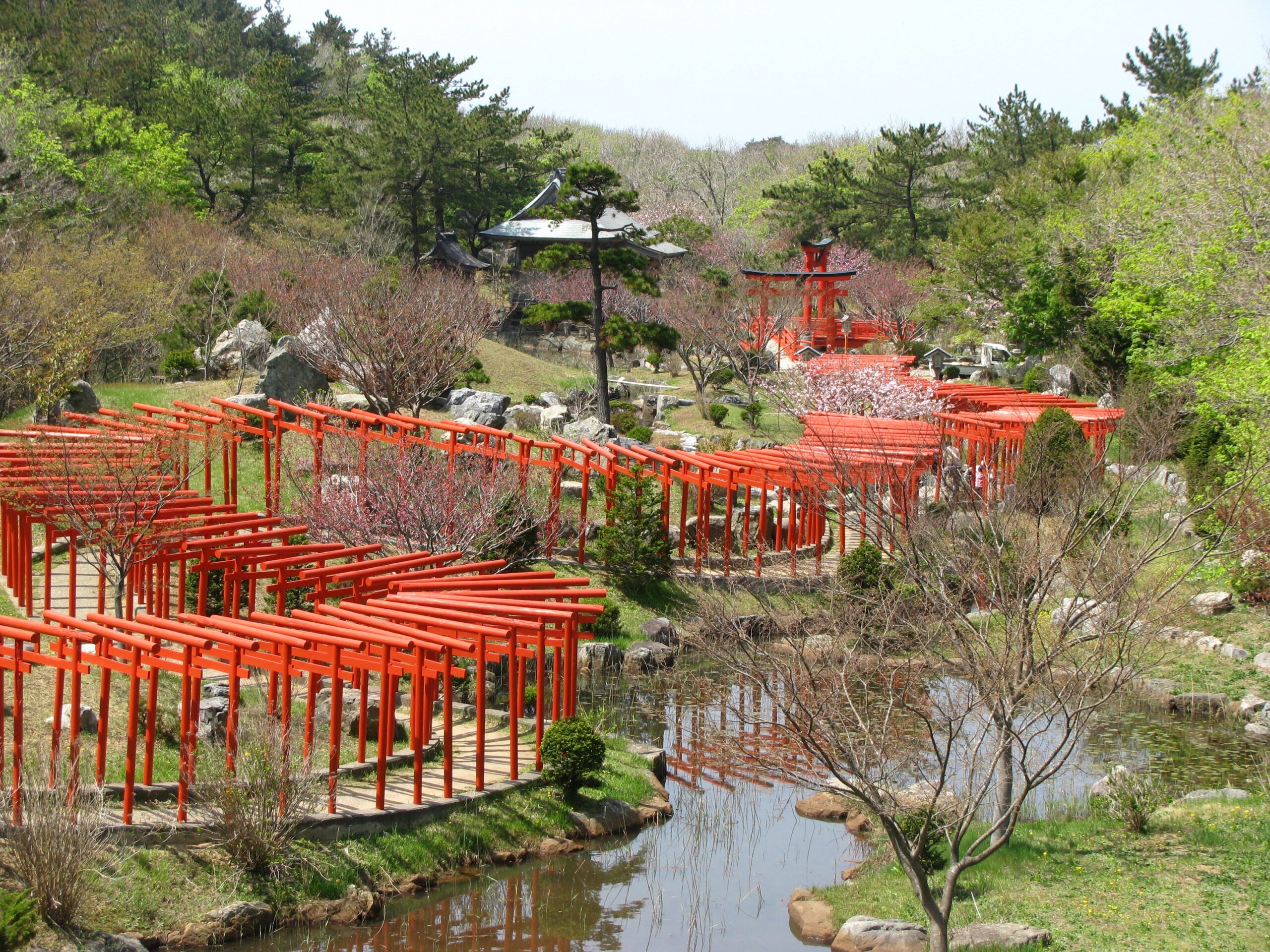
Fushimi Inari Shrine is one of Japan’s most celebrated Shinto shrines, located in southern Kyoto. Dedicated to Inari, the Shinto deity of rice, prosperity, and business success, the shrine is renowned for its thousands of vibrant vermilion torii gates winding through the forested slopes of Mount Inari. Travelers visit Fushimi Inari Shrine for its spiritual atmosphere, breathtaking walking trails, rich cultural heritage, and unforgettable photography opportunities. Dating back to the 8th century, the shrine remains an active place of worship while welcoming millions of visitors each year.
Related Links
UNESCO World Heritage – Mahabodhi Temple Complex
Bihar Tourism – Bodh Gaya
Incredible India – Bodh Gaya Travel Guide
Recommended Product
Bodh Gaya Travel Planning Checklist (Digital PDF)
-
Importance and Historical Significance
Fushimi Inari Shrine History A sacred symbol of prosperity and Shinto tradition Founded in 711 AD, Fushimi Inari Shrine honors Inari, the Shinto deity of prosperity. Its iconic torii gates symbolize gratitude, faith, and successful business, making it one of Japan's most important spiritual destinations.
-
Smart packing tips
-
Best Time to Visit
Best Time to Visit Best Time to Visit Fushimi Inari Shrine Enjoy comfortable weather and fewer crowds Spring and autumn provide pleasant temperatures and beautiful scenery. Early mornings offer quieter paths, while New Year celebrations attract large crowds seeking blessings for prosperity.
-
Weather Information +festival travel Guide
-
Product to buy:
Amazon product

-
Travel Essentials For Your Journey
## Prepare the basics before every trip: carry essential travel documents, pack weather-appropriate clothing, bring personal medications, keep your phone and power bank charged, and respect local customs. Smart preparation saves time, reduces stress, and helps you enjoy every journey—whether it's for leisure, culture, religion, or adventure.
-
Product to buy:
Amazon travel

Road Trip Health &

Travel Kids Ebook: Eagle

Is an Electric-Car Right

SEO Content Upgrade Opportunities
Recommended additions for higher rankings:
-
Add FAQ schema markup.
-
Add breadcrumb navigation.
-
Add destination map.
-
Add image alt text using keywords.
-
Add affiliate comparison tables.
-
Add downloadable PDF lead magnet.
-
Add email signup for religious travel guides.
Fushimi Inari Shrine, Japan: Kyoto’s Iconic Shinto Landmark
Discover Japan’s famous shrine of thousands of vermilion torii gates
Fushimi Inari Shrine is one of Japan’s most celebrated Shinto shrines, located in southern Kyoto. Dedicated to Inari, the Shinto deity of rice, prosperity, and business success, the shrine is renowned for its thousands of vibrant vermilion torii gates winding through the forested slopes of Mount Inari. Travelers visit Fushimi Inari Shrine for its spiritual atmosphere, breathtaking walking trails, rich cultural heritage, and unforgettable photography opportunities. Dating back to the 8th century, the shrine remains an active place of worship while welcoming millions of visitors each year. As part of Top 30 Historical and Religious Sites Around the World Worth Visiting: A Complete Traveler’s Guide, Fushimi Inari Shrine offers an inspiring blend of tradition, history, nature, and authentic Japanese culture.
Related Links
Recommended Product
Fushimi Inari Shrine Digital Travel Guide — Includes walking routes, history, photography spots, and local travel tips.
Block 2: Importance and Historical Significance
Fushimi Inari Shrine History
A sacred symbol of prosperity and Shinto tradition
Founded in 711 AD, Fushimi Inari Shrine honors Inari, the Shinto deity of prosperity. Its iconic torii gates symbolize gratitude, faith, and successful business, making it one of Japan’s most important spiritual destinations.
Related Links
Recommended Product
Shinto Heritage eBook — Explains Japanese shrine traditions and religious customs.
Block 3: Best Time to Visit
Best Time to Visit Fushimi Inari Shrine
Enjoy comfortable weather and fewer crowds
Spring and autumn provide pleasant temperatures and beautiful scenery. Early mornings offer quieter paths, while New Year celebrations attract large crowds seeking blessings for prosperity.
Related Links
Recommended Product
Japan Seasonal Travel Planner — A printable guide for choosing the best travel dates.
Block 4: How to Choose a Hotel
Hotels Near Fushimi Inari Shrine
Stay close for easy morning visits
Choose accommodations in Kyoto Station, Gion, or Fushimi districts. Easy train access, comfortable rooms, and nearby restaurants make exploring Fushimi Inari Shrine more convenient.
Related Links
Recommended Product
Kyoto Hotel Comparison Spreadsheet — Compare prices, locations, and amenities.
Block 5: Visitor Experience
Visiting Fushimi Inari Shrine
Walk beneath thousands of iconic torii gates
Visitors enjoy peaceful forest trails, colorful torii tunnels, scenic viewpoints, and active prayer areas. The complete mountain hike takes around two to three hours.
Related Links
Recommended Product
Fushimi Inari Photography Guide — Best viewpoints and camera settings for memorable photos.
Block 6: Location and Access
Fushimi Inari Shrine Location
Easily accessible from central Kyoto
Fushimi Inari Shrine is located in Kyoto, Japan. Reach it via JR Nara Line to Inari Station or Keihan Main Line to Fushimi-Inari Station.
Related Links
Recommended Product
Kyoto Transportation Planner — Organize train routes and sightseeing schedules.
Block 7: Nearby Attractions
Attractions Near Fushimi Inari Shrine
Discover Kyoto’s historic treasures
Visit Kiyomizu-dera Temple, Tofuku-ji Temple, Gion District, Nishiki Market, and the Kyoto National Museum for a complete cultural experience.
Related Links
Recommended Product
Kyoto Attractions Map — A printable sightseeing planner with major landmarks.
Block 8: Travel Tips
Fushimi Inari Shrine Travel Tips
Respect local customs during your visit
Wear comfortable shoes, remain quiet near prayer areas, stay on marked paths, carry water, and visit early for a more peaceful experience.
Related Links
Recommended Product
Japan Temple Etiquette Checklist — Learn respectful customs before visiting.
Block 9: Travel Resources
Fushimi Inari Shrine Travel Resources
Plan every part of your Japan adventure
Book flights, hotels, guided tours, travel insurance, and essential accessories before exploring Fushimi Inari Shrine and Kyoto.
Related Links
Recommended Product
Complete Japan Trip Planner — A digital travel organizer for flights, hotels, and daily itineraries.
Block 10: Digital Products
Digital Products for Visiting Fushimi Inari Shrine
Helpful resources for a smooth travel experience
1. Fushimi Inari Shrine Travel Guide PDF
Description: Complete visitor guide with maps and history.
Benefit: Simplifies trip planning.
2. Kyoto Walking Route Planner
Description: Self-guided sightseeing itinerary.
Benefit: Saves time exploring.
3. Japan Packing Checklist
Description: Essential travel packing list.
Benefit: Prevents forgotten items.
4. Temple Photography Guide
Description: Photography locations and lighting tips.
Benefit: Capture stunning images.
5. Kyoto Budget Planner
Description: Expense tracking spreadsheet.
Benefit: Helps control travel costs.
6. Japanese Cultural Etiquette Guide
Description: Respectful behavior and customs explained.
Benefit: Enhances cultural experiences.
FAQ
What is Fushimi Inari Shrine famous for?
Fushimi Inari Shrine is famous for its thousands of vibrant vermilion torii gates leading through the forested trails of Mount Inari.
How much time should I spend at Fushimi Inari Shrine?
Most visitors spend two to three hours exploring Fushimi Inari Shrine and hiking its scenic mountain paths.
Is Fushimi Inari Shrine free to visit?
Yes. Fushimi Inari Shrine is open year-round and admission is free for all visitors.
When is the best time to visit Fushimi Inari Shrine?
Early mornings during spring or autumn offer pleasant weather, beautiful scenery, and fewer crowds at Fushimi Inari Shrine.
How do I reach Fushimi Inari Shrine?
Take the JR Nara Line to Inari Station or the Keihan Main Line to Fushimi-Inari Station for easy access.
Can I hike to the top of Mount Inari?
Yes. Visitors can complete the scenic hike through Fushimi Inari Shrine to the summit in approximately two to three hours.
Tags
Fushimi Inari Shrine, Kyoto Japan, Japan Travel, Shinto Shrine, Torii Gates, Kyoto Attractions, Religious Sites, Historical Landmarks, UNESCO Kyoto, Japanese Culture, Spiritual Travel, Temple Photography, Mount Inari, Asia Travel, Cultural Heritage
Related Articles
Best Shrines and Temples to Visit in Kyoto
Complete First-Time Kyoto Travel Guide
Top Historical and Religious Sites in Japan
Best Sunrise and Photography Locations in Kyoto
Essential Japanese Temple and Shrine Etiquette Guide
Image Prompts
1. Hero Image
Fushimi Inari Shrine with endless vermilion torii gates at sunrise, soft morning mist, lush forest, realistic travel photography, cinematic lighting, ultra realistic, 4K quality, professional travel magazine style, natural colors, no text, no logos, no watermark.
2. Architecture Image
Traditional Japanese shrine buildings and vibrant torii gates with detailed wooden architecture, realistic travel photography, cinematic lighting, ultra realistic, 4K quality, professional travel magazine style, natural colors, no text, no logos, no watermark.
3. Visitor Experience Image
Travelers walking beneath thousands of torii gates at Fushimi Inari Shrine, peaceful atmosphere, realistic travel photography, cinematic lighting, ultra realistic, 4K quality, professional travel magazine style, natural colors, no text, no logos, no watermark.
4. Cultural Image
Visitors respectfully praying at Fushimi Inari Shrine during a traditional Shinto ceremony, realistic travel photography, cinematic lighting, ultra realistic, 4K quality, professional travel magazine style, natural colors, no text, no logos, no watermark.
5. Aerial Image
Aerial view of Fushimi Inari Shrine and Mount Inari surrounded by Kyoto’s lush landscape, realistic travel photography, cinematic lighting, ultra realistic, 4K quality, professional travel magazine style, natural colors, no text, no logos, no watermark.