
what are the different between EV charger connector types in 2026?

Introduction

Choosing the right EV charger or accessory starts with understanding connector types — a detail that trips up new EV owners and online buyers alike. Connector standards vary by region, and mismatched cables cause returns and bad reviews for anyone selling EV accessories. Based on ChargePoint’s driver support documentation and WorldStandards.eu’s global connector map, this guide breaks down which plug works where, and why the landscape is shifting

  • North America: Type 1, CCS1, and the Rise of NACS

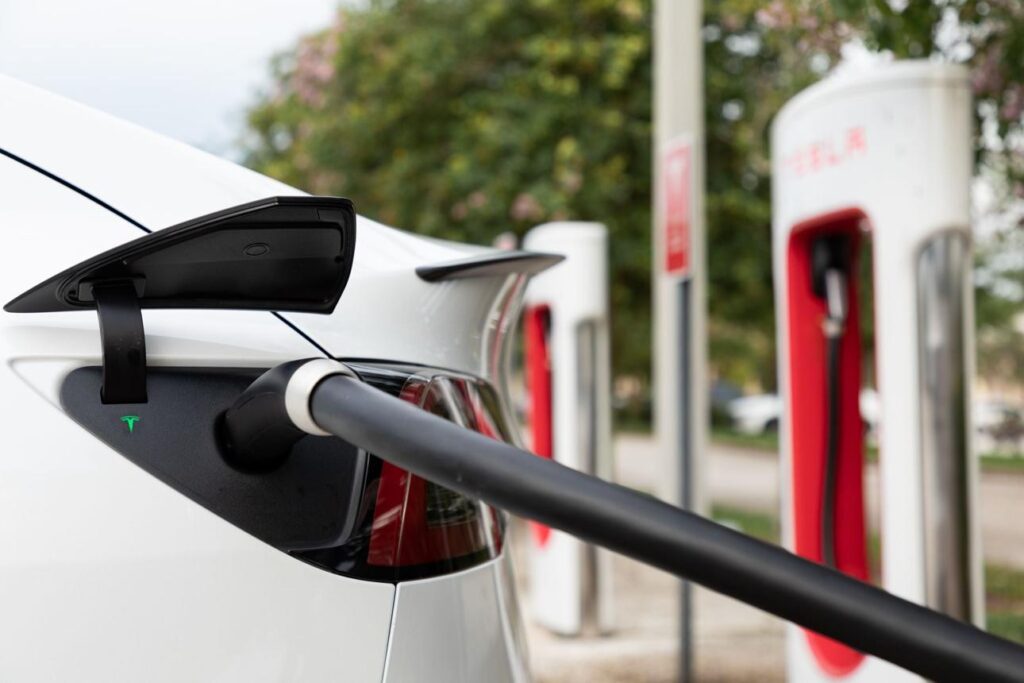
    According to ChargePoint, North America's standard AC connector is the single-phase Type 1 plug (SAE J1772). For DC fast charging, three plug types compete: CCS1, CHAdeMO, and Tesla's NACS (North American Charging Standard), which merges AC and DC into one compact connector. WorldStandards.eu confirms this Type 1/CCS1 combination is used across North America, but adds that NACS is now becoming the de facto regional standard — a shift not covered by ChargePoint. Affiliate Opportunity: Product Category: EV charging adapters and cables Target Location: United States / Canada Suggested Product: NACS-to-J1772 or NACS-to-CCS1 adapter Affiliate Link: [INSERT AFFILIATE LINK] Suggested Anchor Text: "Shop NACS charging adapters"

  • North America: Type 1, CCS1, and the Rise of NACS

    Multiple sources confirm Europe's AC standard: ChargePoint notes Type 2 has been the region's standard since 2018, using three-phase wiring for faster charging. WorldStandards.eu adds that the vast majority of the world — not just Europe — has now standardized on the Type 2/CCS2 combination, making it the most widely used system globally. Affiliate Opportunity: Product Category: Type 2/CCS2 charging cables Target Location: European Union / UK Suggested Product: Type 2 to CCS2 fast-charging cable Affiliate Link: [INSERT AFFILIATE LINK] Suggested Anchor Text: "Best Type 2 EV charging cables"

  • Europe: Type 2 and CCS2 as the Unified Standard

    Multiple sources confirm Europe's AC standard: ChargePoint notes Type 2 has been the region's standard since 2018, using three-phase wiring for faster charging. WorldStandards.eu adds that the vast majority of the world — not just Europe — has now standardized on the Type 2/CCS2 combination, making it the most widely used system globally. Affiliate Opportunity: Product Category: Type 2/CCS2 charging cables Target Location: European Union / UK Suggested Product: Type 2 to CCS2 fast-charging cable Affiliate Link: [INSERT AFFILIATE LINK] Suggested Anchor Text: "Best Type 2 EV charging cables" China and Japan: Regional Standards Still in Play Based on WorldStandards.eu only, China uses its own GB/T standard with separate connectors for AC and DC charging, while Japan relies mainly on CHAdeMO for DC and Type 1 for AC — though NACS adoption is rising there too. Affiliate Opportunity: Product Category: GB/T and CHAdeMO adapters Target Location: China / Japan Suggested Product: GB/T-to-CCS or CHAdeMO adapter kit Affiliate Link: [INSERT AFFILIATE LINK] Suggested Anchor Text: "GB/T and CHAdeMO adapter kits"

  • Additional Information

    Based on IEC 62196-1 only, the international standard governing these connectors covers AC systems up to 690V/250A and DC systems up to 1,500V/400A, with equipment rated for -30°C to 50°C operating environments and copper-only conductors. The standard also notes that Mode 1 charging is not permitted in the UK — a regulatory detail absent from the driver-facing sources.

  • comper adapter

    Comparison Agreements: ChargePoint and WorldStandards.eu both confirm Type 1/CCS1/NACS dominates North America and Type 2/CCS2 dominates Europe. Differences: ChargePoint focuses on practical driver guidance (app filtering, fast-charging tips); WorldStandards.eu focuses on global geographic distribution. Unique Information: WorldStandards.eu only: China's GB/T standard and Japan's CHAdeMO/Type 1 setup. IEC 62196-1 only: exact voltage/current limits, temperature range, and the UK's Mode 1 restriction. New Insights: Combining sources shows NACS expanding beyond Tesla into a broader North American (and increasingly Japanese) standard, while Type 2/CCS2 dominates most of the rest of the world — a consolidation trend relevant to accessory sourcing decisions.

comper adapter

comper — EV Ladeadapter & Steckertypen 2026

NACS Adapter (SAE J3400)CCS2 / Typ 2 LadekabelGB/T Adapter (China)CCS1 Ladekabel (Legacy NA)CHAdeMO Adapter
Ecar accessoriesEcar accessoriesEcar accessoriesEcar accessoriesEcar accessories
Scrabble tiles spell 'Adapt or Fail' on a white background, conveying a motivational message.Scrabble tiles spell 'Adapt or Fail' on a white background, conveying a motivational message.Scrabble tiles spell 'Adapt or Fail' on a white background, conveying a motivational message.Scrabble tiles spell 'Adapt or Fail' on a white background, conveying a motivational message.Scrabble tiles spell 'Adapt or Fail' on a white background, conveying a motivational message.
❇️Standard in Nordamerika, wird von fast allen Herstellern übernommen
❇️Kompaktes, leichtes Design – AC & DC in einem Port
❇️Zugang zum großen Tesla-
❇️Supercharger-Netz
Zukunftssicher (5–7 Jahre Lebenszyklus erwartet)
❇️Standard in EU, Naher Osten (inkl. VAE) und Australien
❇️Unterstützt dreiphasiges AC-Laden bis 22 kW
❇️ Höchste Interoperabilität – passt an fast jede Ladesäule
❇️DC-Schnellladen bis 350 kW (z. B. Ionity)
❇️Nationaler Pflichtstandard – flächendeckend in China
❇️ benGetrennte AC-/DC-Ports reduzieren Verschleißefit
❇️Upgrade-Pfad über ChaoJi (bis 900 kW) für Trucks/HPC

❇️Größte bestehende Fahrzeugbasis in Nordamerika
❇️Pflicht an staatlich geförderten NEVI-Ladestationen
❇️ etabliertes Ladenetz bereits vorhanden
❇️Erster verbreiteter DC-Schnelllade-Standard
❇️Funktioniert weiterhin für ältere Nissan Leaf
❇️ Bidirektionales Laden (V2G/V2H) möglich
❌CCS1-Fahrzeuge benötigen zusätzlich einen Adapter
❌Nicht-Tesla-Infrastruktur noch im Ausbau
❌Qualitätsunterschiede bei günstigen Drittanbieter-Adaptern
❌Größer & schwerer als NACS-Stecker
❌Kein natives Tesla-Format in Nordamerika
❌Nicht kompatibel mit nordamerikanischem CCS1 ohne Adapter
❌Disadvantages
❌Zwei-Port-Design ist sperriger als Combo-Stecker
❌Außerhalb Chinas nur mit Adapter nutzbar
❌Nicht nativ kompatibel mit CCS oder NACS
❌Wird bei Neufahrzeugen zunehmend durch NACS ersetzt
❌Für Supercharger-Zugang zusätzlicher NACS-Adapter nötig
❌Sperriger als NACS, sinkende Hersteller-Unterstützung
❌Technisch veraltet – wird auch in Japan ausgemustert
❌Neues Leaf-Modell 2026 nutzt CHAdeMO nicht mehr
❌Ladenetz schrumpft, kaum neue Fahrzeuge unterstützt
amazon EUR 110.21

amazon -15 % 72,99€ amazon -15 % 72,99€ amazon EUR174.96amazon EUR46.36
ⓐamazon 10.99amazon 10.99amazon 10.99amazon 10.99amazon 10.99
compering
Travelite Basics Travelite Cabin TrolleyTravelite Basics Travelite Basics
eBay

🛒
56.95 € €

🛒
79.95 €€

🛒
7,19 €

🛒
7,19 €


Vergleichstabelle — EV Ladeadapter & Steckertypen 2026

Testsieger
NACS Adapter (SAE J3400)
NACS
  • Standard in Nordamerika, wird von fast allen Herstellern übernommen
  • Kompaktes, leichtes Design – AC & DC in einem Port
  • Zugang zum großen Tesla-Supercharger-Netz
  • Zukunftssicher (5–7 Jahre Lebenszyklus erwartet)
  • CCS1-Fahrzeuge benötigen zusätzlich einen Adapter
  • Nicht-Tesla-Infrastruktur noch im Ausbau
  • Qualitätsunterschiede bei günstigen Drittanbieter-Adaptern

Platz 2
CCS2 / Typ 2 Ladekabel
CCS2
  • Standard in EU, Naher Osten (inkl. VAE) und Australien
  • Unterstützt dreiphasiges AC-Laden bis 22 kW
  • Höchste Interoperabilität – passt an fast jede Ladesäule
  • DC-Schnellladen bis 350 kW (z. B. Ionity)
  • Größer & schwerer als NACS-Stecker
  • Nicht kompatibel mit nordamerikanischem CCS1 ohne Adapter
  • Kein natives Tesla-Format in Nordamerika

Platz 3
GB/T Adapter (China)
GB/T
  • Nationaler Pflichtstandard – flächendeckend in China
  • Getrennte AC-/DC-Ports reduzieren Verschleiß
  • Upgrade-Pfad über ChaoJi (bis 900 kW) für Trucks/HPC
  • Zwei-Port-Design ist sperriger als Combo-Stecker
  • Außerhalb Chinas nur mit Adapter nutzbar
  • Nicht nativ kompatibel mit CCS oder NACS

Platz 4
CCS1 Ladekabel (Legacy NA)
CCS1
  • Größte bestehende Fahrzeugbasis in Nordamerika
  • Pflicht an staatlich geförderten NEVI-Ladestationen
  • Breites, etabliertes Ladenetz bereits vorhanden
  • Wird bei Neufahrzeugen zunehmend durch NACS ersetzt
  • Für Supercharger-Zugang zusätzlicher NACS-Adapter nötig
  • Sperriger als NACS, sinkende Hersteller-Unterstützung

Platz 5
CHAdeMO Adapter
CHAdeMO
  • Erster verbreiteter DC-Schnelllade-Standard
  • Funktioniert weiterhin für ältere Nissan Leaf
  • Bidirektionales Laden (V2G/V2H) möglich
  • Technisch veraltet – wird auch in Japan ausgemustert
  • Neues Leaf-Modell 2026 nutzt CHAdeMO nicht mehr
  • Ladenetz schrumpft, kaum neue Fahrzeuge unterstützt

*Preise sind Platzhalter. Ersetze YOURTAG-20 / YOURTAG-21 mit deiner echten Amazon-Partnernet-ID (US/DE) und trage die tatsächlichen Preise ein, sobald du die finalen Partnerlinks hast.